

Note: This post may contain affiliate links. If you purchase through them, we may earn a small commission at no extra cost to you.
Natural asthma support for pets begins with understanding that when your pet is struggling to breathe, it’s more than a symptom. It’s a call for help. Asthma in animals, especially cats and some dog breeds, can present as wheezing, shallow breathing, or even sudden panic during an attack. Watching it unfold can leave you feeling helpless. But in naturopathy, we work with the body rather than against it. And there are ways to support your pet that don’t rely on long-term steroids or suppressants.
Here’s how we approach asthma with gentleness, respect, and results.
Asthma is usually the result of inflammation in the respiratory system. It’s triggered by things like pollen, chemicals, dust, smoke, or even certain food ingredients. When the body reacts, the bronchi narrow, spasms start, and moving oxygen through the lungs becomes harder.
Conventional medicine often turns to corticosteroids or bronchodilators. These can be necessary in a crisis, but they tend to suppress symptoms without addressing the deeper cause. In naturopathy, the goal is different. We work to lower the allergic load, bring balance back to the respiratory system, and help the body rebuild trust in its own healing.
Even the ASPCA notes that asthma in dogs can be influenced by stress and environmental triggers, which is why a holistic lens matters so much. It’s not just about opening the airway. It’s about calming the whole system.
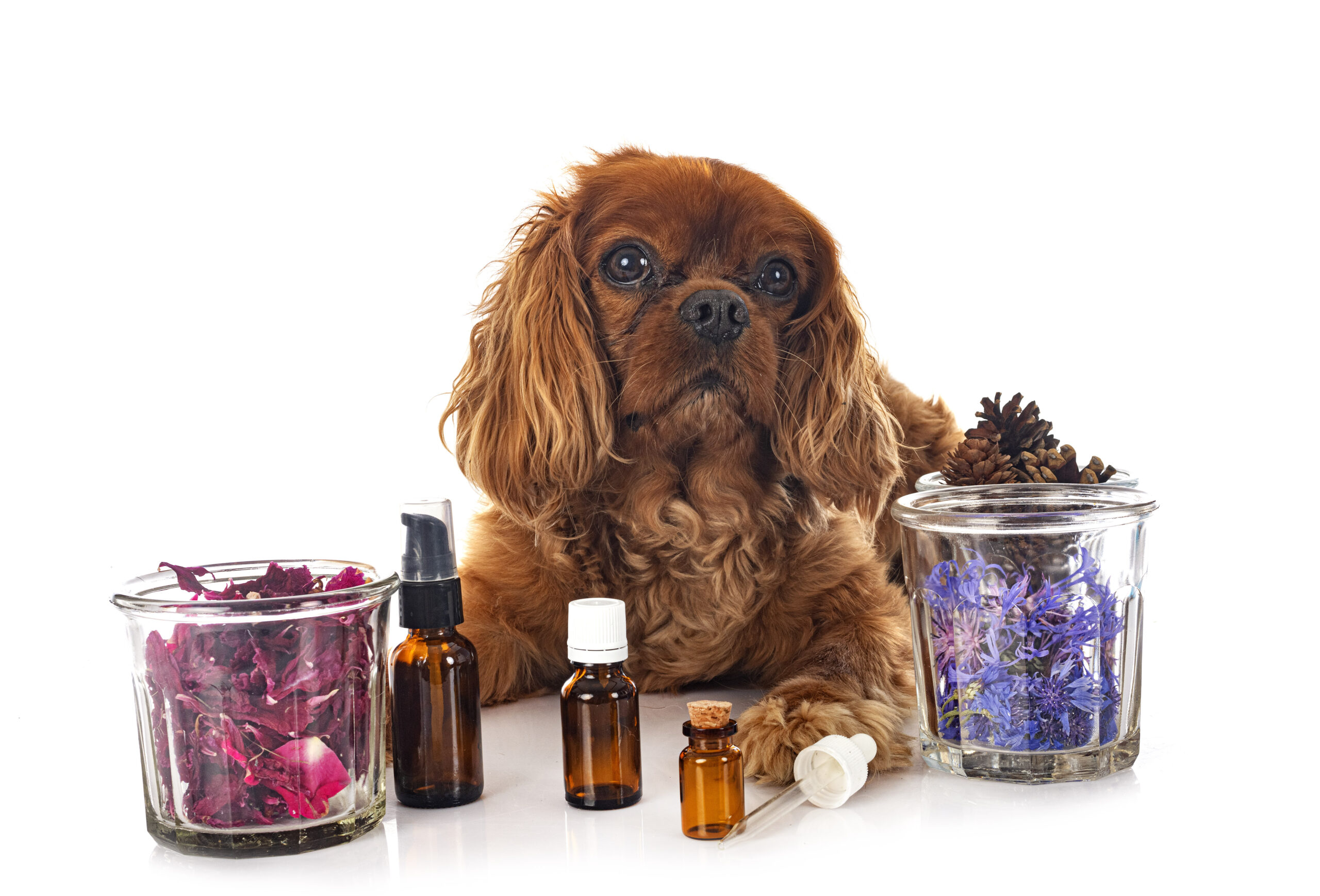
Inhalation is one of the safest and most effective ways to support asthmatic pets with essential oils. A few key allies:
How to use: Add 1–2 drops of a pet-safe oil (never citrus for cats) to a bowl of steaming water, or use a diffuser nearby (not in a closed space). Never apply essential oils directly to your pet unless directed by a practitioner.
These oils offer natural asthma support for pets without the side effects of medications.
Two remedies often make a difference in pets with asthma:
Althea Officinalis: especially for dry, irritated coughs
Histaminum: for allergic reactions impacting the lungs
Dosage is typically five granules of 5CH twice daily for 10 days. Reassess monthly. If there’s no change, it may be time to try a different remedy or support the body in another way.
Food allergies and asthma often go hand-in-hand. One of the best tools we have is an eviction diet—feeding novel proteins (like rabbit or horse) and starches (like tapioca or sweet potato) the pet has never had before. No treats. No table scraps. No “just one bite.”
This isn’t forever. But a strict 6–10 week trial can uncover hidden sensitivities and reduce systemic inflammation dramatically.
When asthma is chronic, it often drains not just the body but the spirit. Energy work like Reiki helps refill the cup. It calms the nervous system, supports immune function, and creates space for the body to regulate itself again.
Reiki offers gentle and effective natural asthma support for pets, especially when emotional stress contributes to physical symptoms.
Plan on 4 to 6 sessions across two months, especially if the asthma has an emotional root such as trauma, rehoming, or grief. You’ll often see changes after the first session such as less fear, more openness, better breathing.
Supporting a pet with asthma doesn’t mean choosing between conventional medicine and natural care. It means listening to the body, addressing the real triggers, and offering layered, compassionate support. Whether through breath, energy, or food, there is always a way forward.
Want to start with the basics? Explore Healing Foundations, where rhythm, calm, and real nourishment create the groundwork for breath and balance.