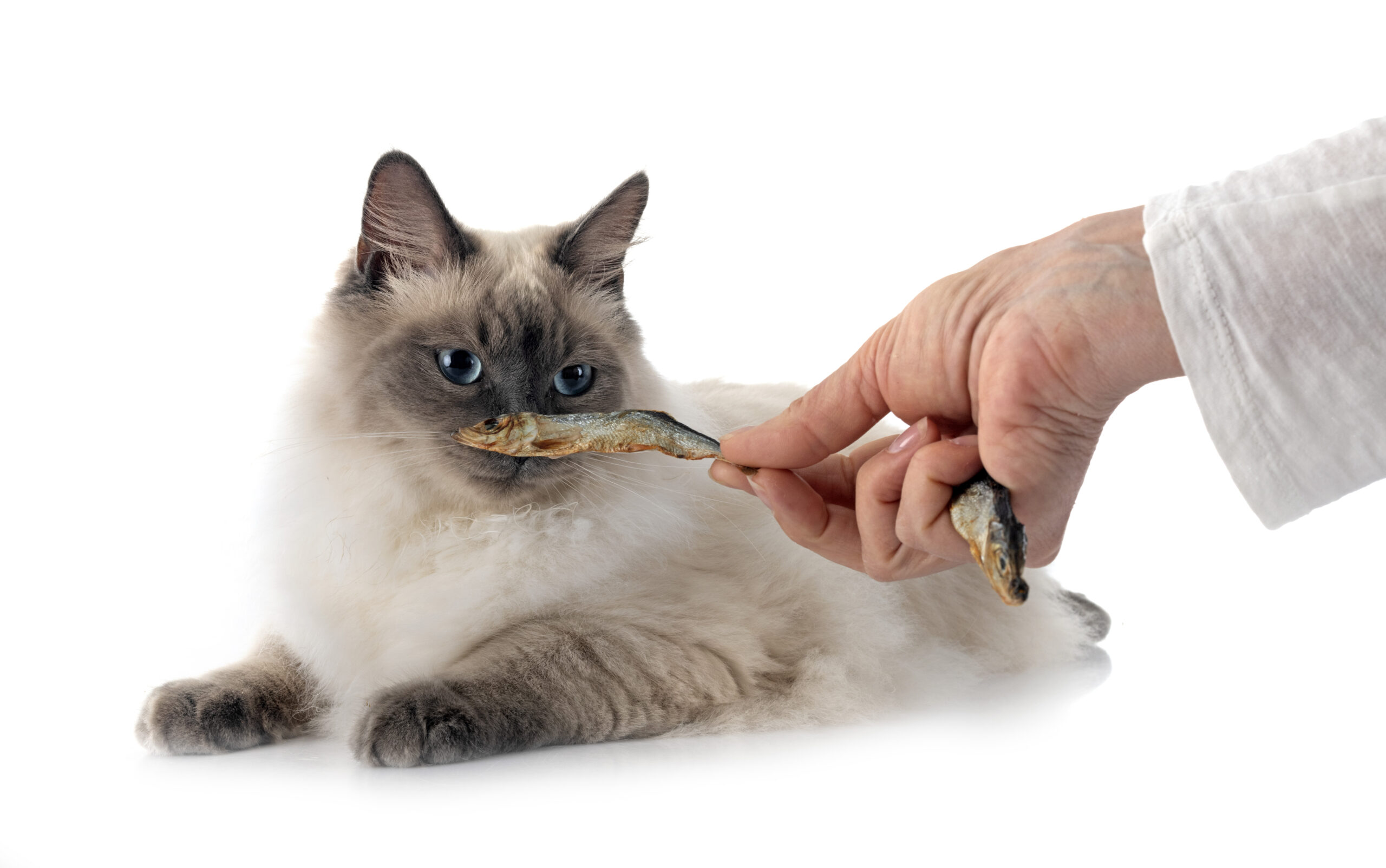


When stress runs high whether due to aging, chronic illness, or changes in routine nutrition is one of the most powerful tools we have to bring the body back to balance. Just like in humans, the food our pets consume can either fuel anxiety or soothe it. This post covers the foundational nutritional choices that support a calmer, more grounded state of being in cats and dogs.
The nervous system is directly tied to digestion and hormone regulation. When animals eat processed, low-quality food, it places strain on the digestive tract and the endocrine system. Over time, this stress can lead to mood disturbances, restlessness, hypervigilance, or lethargy. A healthy diet rich in whole foods provides not only the nutrients needed for physical health but also the raw materials for neurological and emotional balance.
A soothing, supportive diet begins with simplicity and quality. At its core, it should include:
Raw or lightly cooked meat (chicken, turkey, lamb, fish): Rich in protein and amino acids like tryptophan, which supports serotonin production.
Raw meaty bones and offal (e.g., heart, stomach, liver): These provide minerals, essential fatty acids, and natural enzymes.
Cooked or pureed vegetables like zucchini, pumpkin, carrots, and leafy greens: These offer fiber and antioxidants to support detoxification and gut health.
Calming fruits such as bananas, watermelon, and berries (in moderation): Naturally sweet and hydrating, some also provide magnesium and antioxidants.
This combination helps regulate blood sugar levels, support digestion, and fuel the brain with clean-burning nutrients.
Certain vitamins and minerals are especially important for supporting the nervous system:
Magnesium: Essential for muscle relaxation and neurotransmitter function. Deficiency is common in animals fed commercial food and can present as tremors or irritability. Found in oats, dandelion, parsley, nettles, and alfalfa.
B Vitamins: Especially B6 and B12, which stimulate the immune system, reduce body acidity, and aid in fat metabolism—important for dogs with lipomas or anxiety-driven weight gain.
Taurine (for cats): A must-have for heart and eye health, but also relevant to stress response and brain function.
Healthy fats, especially omega-3s, are natural anti-inflammatories. Fish oil, flaxseed oil, and krill oil are excellent additions to meals and help soothe skin conditions, boost mood, and improve brain function. For small dogs, 1 teaspoon per day is enough; larger dogs can have up to 1 tablespoon.
Processed dry food and sugary treats: These contribute to blood sugar swings and digestive inflammation, which in turn affect mood and energy.
Spices, salty leftovers, and artificial additives: These act as irritants in the gut and can create discomfort that manifests as restlessness or irritability.
Just as important as what you feed is how and when. Set meals at regular intervals help maintain balanced blood sugar and digestive efficiency. Avoid free-feeding, which can cause blood sugar spikes and reinforce nervous eating behaviors.
Feeding for calm doesn’t mean feeding less. It means feeding smarter. Whole foods rich in calming nutrients give the nervous system the tools it needs to do its job, allowing your pet to rest, recover, and handle stress with resilience. When paired with physical activity, mental enrichment, and a calm environment, a nourishing diet can be one of the most powerful forms of emotional support we offer our pets.